Services · Drug test methods

What are the different methods of drug testing?

A number of different bodily specimens can be chemically tested to detect evidence of recent drug use. Although some state laws dictate which types of tests can be used, a number of options are technologically feasible.

Drugs: urine is the most common specimen (SAMHSA guidelines)
Alcohol: breath is the most common (DOT guidelines)
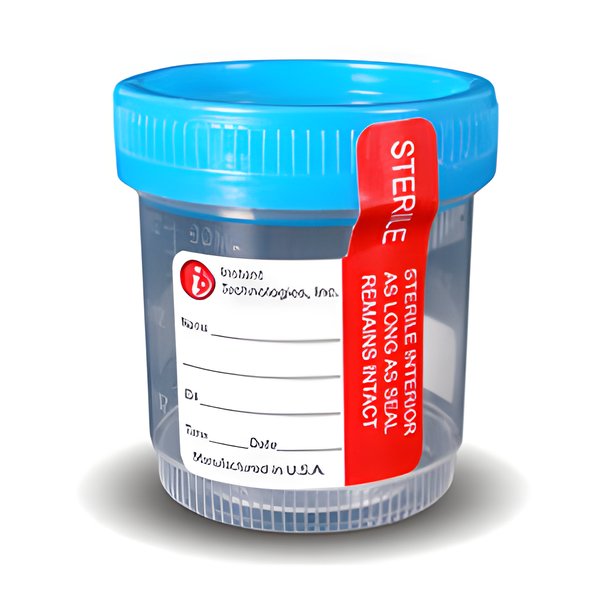
Sealed urine specimen cup
01

Urine

Results of a urine test show the presence or absence of drug metabolites in a person’s urine. Metabolites are drug residues that remain in the body for some time after the effects of a drug have worn off.

It is important to note that a positive urine test does not necessarily mean a person was under the influence of drugs at the time of the test. Rather, it detects and measures use of a particular drug within the previous few days and has become the de facto evidence of current use.

Because alcohol passes rapidly through the system, urine tests must be conducted very quickly after alcohol consumption in order to ensure any degree of accuracy. For this reason, urine tests are generally not helpful in detecting alcohol use, as opposed to illicit and prescription drug use, which is more easily traced in urine.
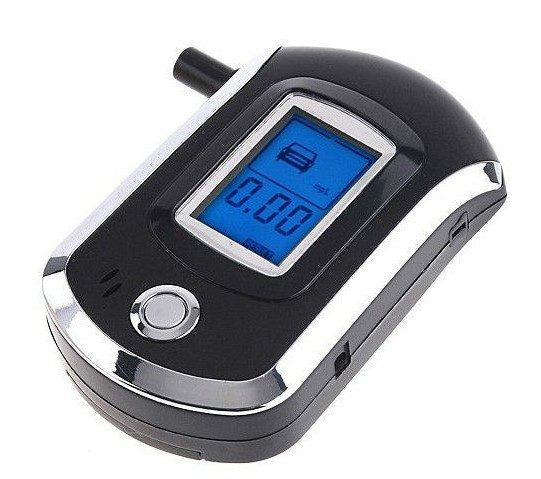
Handheld breath-alcohol tester
02

Breath

A breath-alcohol test is the most common test for finding out how much alcohol is currently in the blood. The person being tested blows into a breath-alcohol device, and the results are given as a number, known as the Blood Alcohol Concentration (BAC), which shows the level of alcohol in the blood at the time the test was taken. BAC levels have been correlated with impairment.

Most people are familiar with 0.08 BAC as the legal limit for driving. However, for employees performing safety-sensitive work under DOT regulations, the applicable thresholds are much lower.

A BAC of 0.02 is high enough to stop someone from performing a safety-sensitive task for a specific amount of time, usually between 8 and 24 hours. A BAC reading of 0.04 or higher requires immediate removal from safety-sensitive functions, and a person who tests at the 0.04 BAC level may not resume those job duties until a specific return-to-duty process has been successfully completed.

0.08
Familiar legal limit for driving in all states
0.02
BAC that stops a safety-sensitive task, usually for 8 to 24 hours (DOT)
0.04
BAC that counts as a positive test and requires immediate removal (DOT)
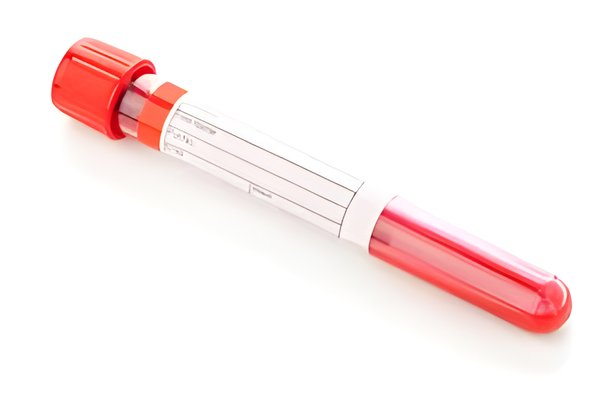
Blood sample tube with a red cap
03

Blood

A blood test is a laboratory analysis performed on a blood sample that is usually extracted from a vein in the arm using a needle, or via fingerprick. Multiple tests for specific blood components (such as a glucose test or a cholesterol test) are often grouped together into one test panel called a blood panel or blood work.

Blood tests are often used in health care to determine physiological and biochemical states, such as disease, mineral content, pharmaceutical drug effectiveness, and organ function. Typical clinical blood panels include a basic metabolic panel or a complete blood count. Blood tests are also used in drug tests to detect drug abuse.

Let's get started.

Call for appointments, or send us a message.